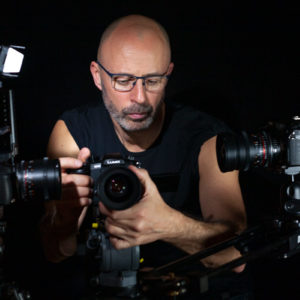
A student recently contacted me who aspires to be a filmmaker. They were undertaking a university research project to learn about the industry. They wanted to know how people progress through the industry. I thought my answers would help inform others and help them make the best decision for their futures. Some filmmaking career advice.
How did you start your career in filmmaking?
At a young age, I was interested in photography. As a teenager, I dreamed of being a TV cameraman. I didn’t pursue a career in filmmaking after I finished my education. After college, I joined the Royal Air Force and trained as an Aircraft Electrician. After serving 9 years, I knew I wanted to work in the creative industry, so I completed my contract and left the military. I was very fortunate to secure a traineeship with the BBC(opens in new tab) as a post-production assistant.
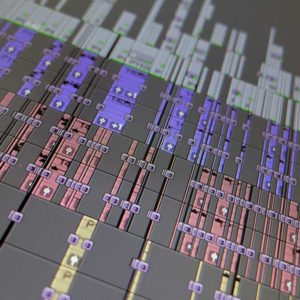
Over time, as technology changed, opportunities presented themselves, including learning video editing on Avid Media Composer(opens in new tab). In time, I was promoted to Video Editor. Some years later, I developed RSI (Repetitive Strain Injury), and so I had to stop editing under pressure in broadcast deadline environments. I then moved into post-production system administration, managing an Avid-based post-production village with 28 editing suites and shared media.
The BBC decided not to continue with what was known as BBC Resources, a very large specialist post-production department, and so I was made redundant.
This presented me with the opportunity to invest in my future freelance career. My 13 years’ experience at the BBC had given me the technical and professional foundation to make that move. After leaving the BBC, I thought I would focus on just camerawork and filming. Over time, I realised that working mainly as a freelance filmmaker and videographer was the role that worked best for me.
How do you balance videography and video editing?
Most of my editing involves footage that I have filmed. Some clients just require the camera files, some want simple editing, and some projects require a story to be told or explained: filmmaking. So, I would say the balance is led by the enquiries that come my way and the projects I decide to take on. Because I frequently edit footage that I have filmed myself, I can think about the edit while I’m shooting. I know what shots, sequences and supporting footage I am likely to need later.
What skills does a freelance filmmaker need?
I spent many years working as a video editor before moving into freelance filmmaking. I’ve worked in many different jobs throughout my career, and these have all contributed to my current skillset and expertise in video production.
Meeting and working with lots of different types of people has helped me learn how to connect with people and manage customer interactions. I find that being considerate and having empathy for others can also help.
As a videographer and filmmaker, there are so many skills required. A technical aptitude and a creative perspective are needed. You also need to be able to manage and resolve challenges in a calm, professional manner under pressure and always ensure that you deliver what is required.
How did you start getting freelance video production work?
I formally started my freelance filmmaking career by investing in my first professional filming kit and a Mac laptop suitable for video editing. At that point, I was already an experienced video editor and had spent many years filming for personal projects. I knew freelance camerawork was the next role I would explore.
At this time, my biggest challenge was securing new commissions. I overcame this challenge by being dedicated and exploring all the avenues that might help me secure work. I also developed the new skills that I now needed.
My network of friends and connections was instrumental in helping me progress at this stage, including securing some commissions. Those early contacts were incredibly valuable because the first challenge for any freelancer is getting someone to trust you with that first piece of paid work. Short-form projects that I can manage over unpressurised timelines suit me best.
What are the biggest challenges facing freelance filmmakers?
Previously, I have had periods where I have needed to generate more work. Then it’s about exploring different avenues to help create more business. Many clients will ask for a quote for the work they are looking for. There is a lot to learn around making the most of initial enquiries and how to pitch for projects.
Getting an enquiry is only the beginning: you need to understand what the client needs, what the precise deliverables are, communicate clearly and demonstrate why you’re the right person. Being very organised and dedicated can help you manage your time when things get busy.
How do you balance creative opportunities with commercial opportunities?
I frequently work on personal projects, which allow me to learn new skills, test creative ideas, and consolidate my existing knowledge. Sometimes paid work can be less creative, but you will always find something in every job that either tests you or helps you learn. The filming location and environment can frequently present a wide range of challenges to overcome.
Commercial filmmaking doesn’t necessarily mean abandoning creativity. Often the creative challenge is finding the best way to communicate the client’s message.
Where does your work come from?
Most of my work now comes through my online presence, particularly my website, where potential clients can find me as a freelance videographer. I’ve invested a lot of time into my SEO (Search Engine Optimisation) so I can, and do, sometimes appear high up on page 1 of Google when people search. My long-term dedication to my website’s SEO generates many of my commercial enquiries.
I do also get client referrals and work from previous clients. I have a presence on social media but mainly use Instagram as an extension of my portfolio. Traditional SEO is changing because of AI, and GEO (Generative Engine Optimisation) and AEO (Answer Engine Optimisation) are areas I will need to focus on more.
When creating promotional works for corporations, how do you ensure that your auteur style shows through?
I don’t think I have an ‘auteur style’ – that sounds a bit highbrow to me. If anything, my personal work is where my own style and interests come through most strongly.
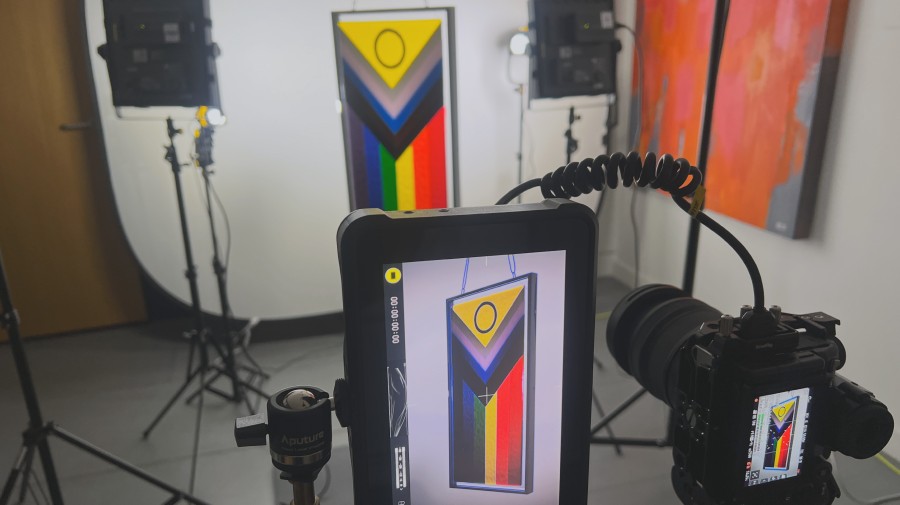
I’m particularly interested in documenting the lives and experiences of the LGBTQI+ community. This is in response to the lack of queer visibility in the media that I experienced in my formative years. By sharing these films, videos, and stories with a worldwide audience, my aim is to help challenge repression and homophobia through the work I create. It’s still a work in progress.
I see myself more as a documentary filmmaker. When creating projects for clients, the aim is to understand what they want to achieve and deliver a film that meets their objectives. As a creative, I’ll explore different styles when the project allows, but I don’t think it’s appropriate to impose my own style on every client project.
I’m always working on my own projects, where I have the freedom to experiment with new techniques, develop my skills and explore ideas that interest me. These projects give me the time to develop my own creative approach, which I can then bring into my professional work when appropriate.
How have you built your reputation?
I think your body of work speaks for itself. You don’t need to be the right filmmaker for everyone. You need to be the right filmmaker for the clients and projects that suit your skills, approach and dreams. I’m not looking to do more ‘prominent’ work – and what that is will be different for everybody. Working with nice people, creative fulfilment and enjoying my working days are more important to me than high-profile work.
How do you grow your business and plan for the future?
I’m not looking to grow my business in the traditional sense. I’m happy working on my own and doing everything myself, and I really enjoy the whole creative process. For me, work-life balance matters more than hiring people, increasing turnover, or building an agency.
I plan to continue working as a filmmaker/videographer for as long as I am able. I’ve recently made some significant kit investments to help me do that. I’m always updating and adding to my website and looking at ways to continue generating new enquiries. I think growth as a freelancer can also mean improving your skills, equipment, reputation and workflow, while maintaining health and a good quality of life.
Do you have a particular creative style?
While editing for the BBC, I was always most impressed by well-shot footage and was fortunate to have edited some amazing camerawork. The BBC series Modern Times (1995-2015) always stood out to me for its wonderful camerawork and storytelling. As a video editor, I appreciated well-composed footage. In my camera work, my visual style leans toward well-composed, tripod-mounted static shots with movement in the frame and natural colouring.
What is the best way to get started in editing?
The best way to start with editing is to do it and lots of it. You need to be proficient, speed up your editing, and be able to deliver on any client requests. What helped me a lot was filming personal projects and then editing them. A skiing holiday with friends was an early project that really helped me learn my filmmaking skills. Editing short films for social media content is a great way to learn.
Filming and then editing what you have shot helps you learn both skills much faster, since we all learn from mistakes.
It’s a difficult time in the industry if you want to work for a company or post-production house, but I’m sure opportunities are there. You might have to start with a non-editing role. Being someone who presents well, is friendly and personable, and is keen and able to help with whatever is needed will help you get noticed. If you’re determined, reliable and willing to keep learning, you give yourself a much better chance of building a career in the industry
How has the post-production industry changed?
For sure, everything is always changing and change always presents opportunities. I think three main areas are impacting the industry and will continue to do so.
Technology – Cameras, editing systems, storage, AI and mobile devices have all developed enormously. Developments in technology and miniaturisation now enable me to manage and transport all the kit I need for a shoot on my own. Editing and post-production have also become much more accessible. Increasingly powerful tools are available to individuals, which means freelancers can act as small production companies.
Accessibility – A lot more people now have some kind of skill in the basics of filmmaking. I think that will continue to increase. Cameras, smartphones and editing software mean that more people can produce technically competent video. Without needing the specialist equipment and facilities that were once required.
Opportunity – At the same time, demand for video is increasing. Clients need content for websites, social media, marketing and online communication. The growth of short-form square socials and vertical reels has created even more opportunities. I think this creates opportunities for people willing to learn, adapt, and find their place in the industry.
What has working freelance given you?
Freelance work now helps me look after myself better. On non-filming days, I can wake up when my body wants to, go to the gym in the morning and pick up my working day after that. I can work, edit, and do what I want to do when I feel like it. I can manage my workload so I’m not under unhealthy pressure. I’m my own boss; every decision is down to me. There are no office politics. I pick and choose the work I want to do and the people I want to work with.
Working as a freelance filmmaker has introduced me to a much wider range of genres and projects than I ever dreamed of.
I hope you have found this filmmaking career advice helpful. If you’re looking for a freelance filmmaker for your next project, please get in touch via my website contact form.